The New Forest: A Property Finder’s Guide to Buying a Home
The New Forest is a uniquely preserved National Park. Ponies, donkeys, cattle, and pigs wander freely across its ancient woodland and heathland, shaping a landscape that feels both timeless and deeply lived in.
Established as a royal hunting ground during the reign of William the Conqueror, the Forest became a National Park in 2005. Today it covers around 219 square miles (about 566 km²), lying largely in Hampshire with a small area extending into Wiltshire.
Referred to locally simply as “the Forest”, the area is valued for its tranquillity and accessibility. These qualities appeal to those looking to move away from urban environments or seeking a second home to enjoy more time in nature.
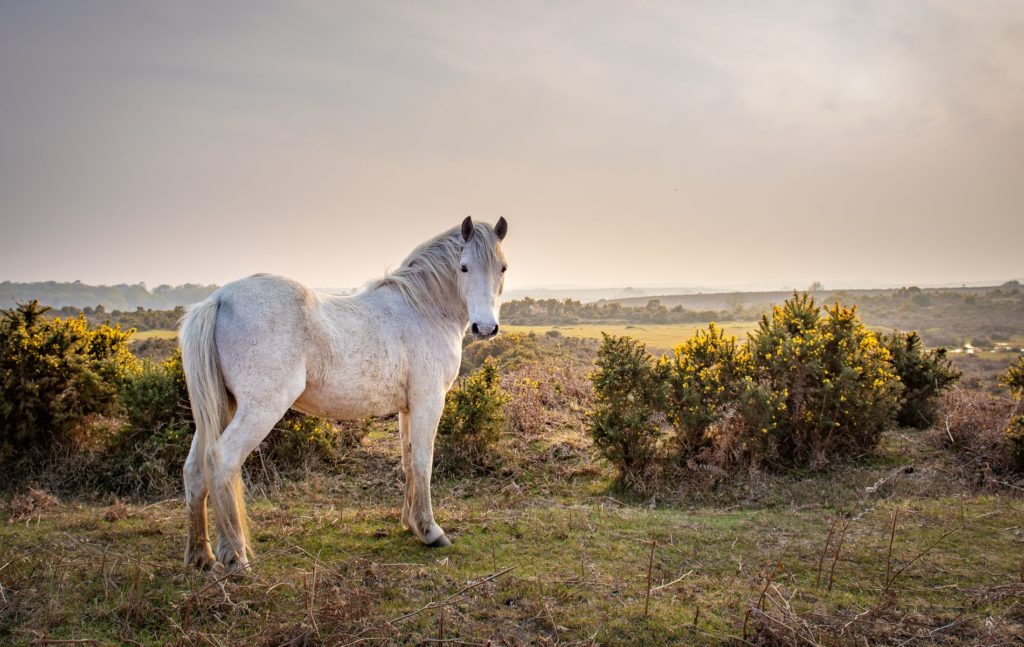
Hampshire Property Finder, Danny Rowland, explores what makes the New Forest such a distinctive and desirable place to buy a home.
Living in the New Forest
While the New Forest is a popular destination for holidaymakers, it is also a thriving permanent community for families, retirees, and commuters.
The mainline connection from Brockenhurst to London Waterloo makes the area particularly appealing for hybrid workers who value rural life with the option of a manageable journey to the capital.
Life here centres on the outdoors. Residents often enjoy activities such as walking, cycling, and horse riding on the Forest’s many waymarked routes and quiet country roads.
The coast adds another dimension, sailing from Lymington and Beaulieu, paddleboarding in sheltered estuaries, or kayaking along tidal creeks.
Wildlife is part of daily life. The New Forest’s varied habitats, from bog and marsh to woodland and coast, support a diverse set of species, from deer and wild ponies to a range of bird species. Those moving here soon learn the rhythms of the seasons: foals in spring, pannage pigs in autumn, frost-silvered heaths in winter.
For food lovers, the area’s producers and farm shops offer genuine local flavour. Artisan bakeries, microbreweries, and small distilleries thrive alongside traditional pubs and contemporary restaurants, many of which showcase local venison, seafood, and forest mushrooms.
Towns and villages in the New Forest
Although large tracts of the New Forest remain protected, the park contains many well-established towns and villages, each with its own identity.
Lymington
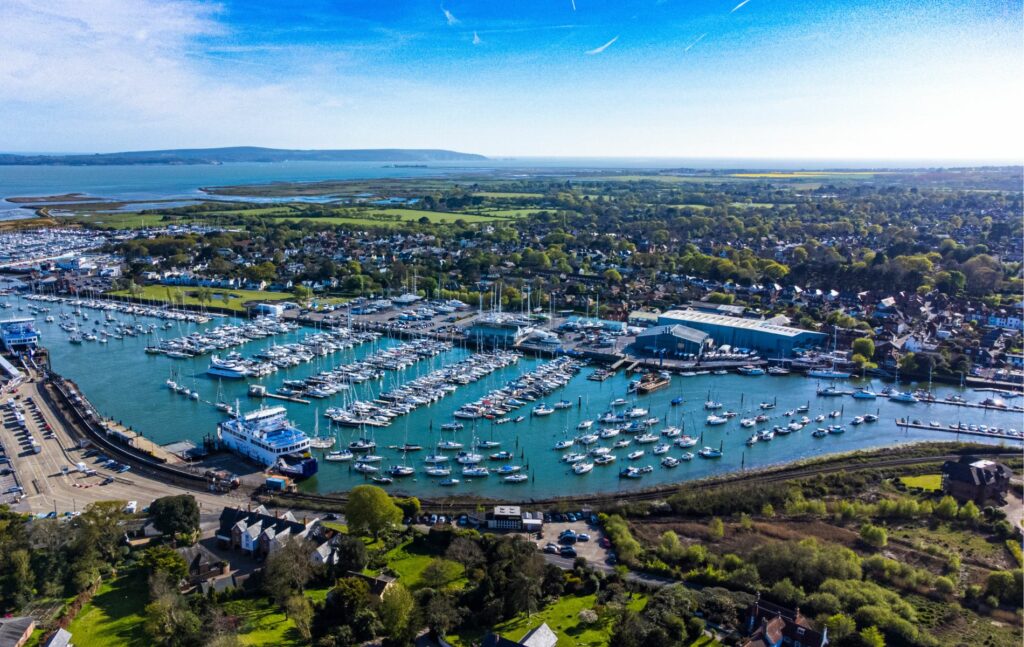
Lymington, on the southern edge of the Forest, is a vibrant Georgian market town between the Solent and the woodland. Its wide high street, cobbled lanes, and busy marinas give it a strong sense of place.
The sailing heritage is world-renowned, yet the town offers much more with a lively Saturday market, independent schools, and an active year-round community.
Homes in and around Lymington range from elegant period townhouses to rural farmsteads along the coast and inland lanes.
Surrounding countryside properties with views towards the Isle of Wight are frequently in demand for those seeking space and seclusion.
Lymington’s setting and amenities have earned it mentions in national lifestyle publications reflecting its enduring appeal and exceptional quality of life.
Brockenhurst
At the heart of the southern Forest lies Brockenhurst, a large village where ponies still wander past the post office and drink from the village ford.
Despite its peaceful character, Brockenhurst is exceptionally well connected by rail and road, making it a natural choice for commuters who want genuine access to nature.
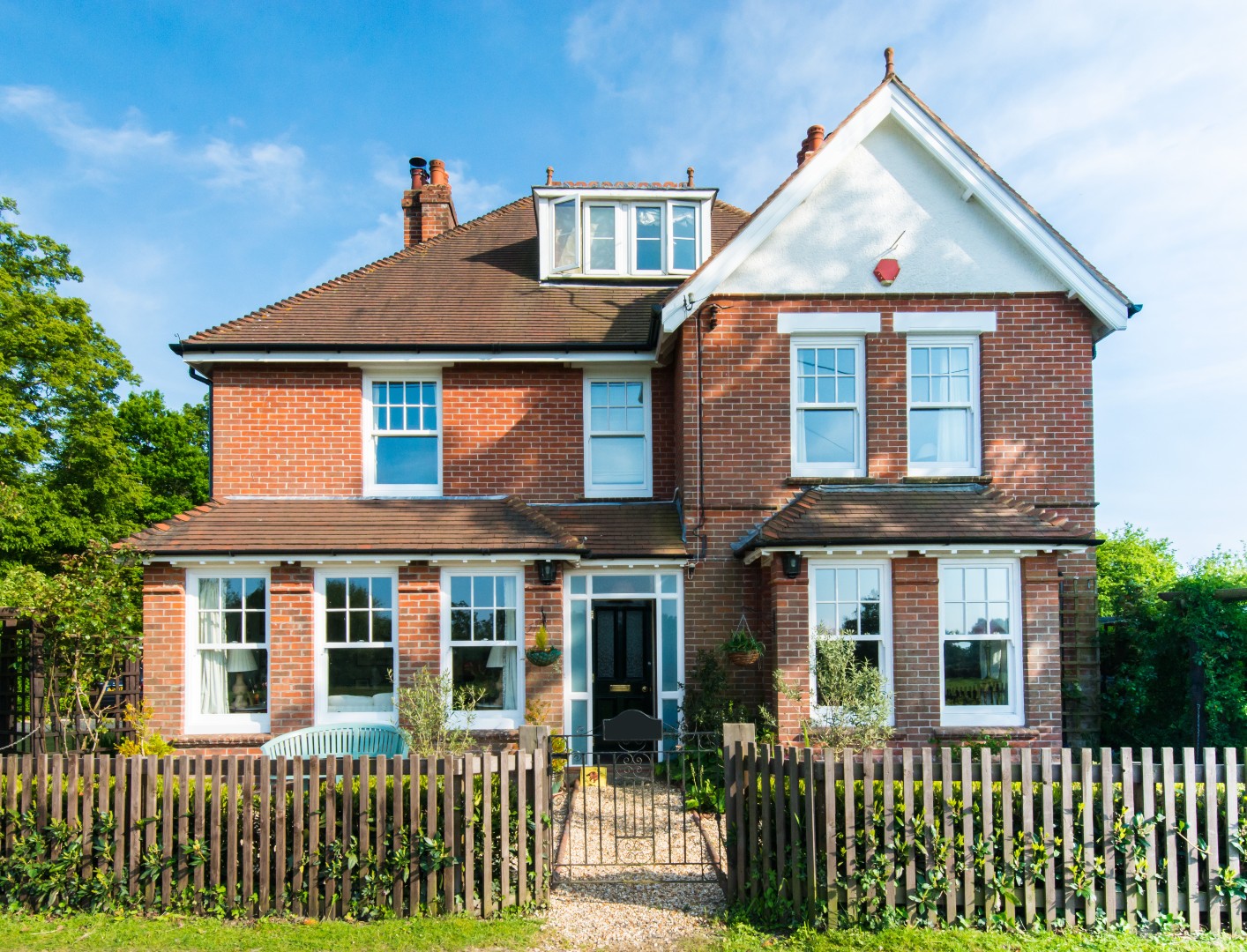
The village has a broad mix of property, from thatched cottages and Edwardian houses to modern homes on leafy lanes. Areas such as Meerut Road and North Weirs are especially appealing for those wanting direct access to the open Forest.
Beaulieu
Beaulieu is known for its distinctive heritage and highly sought‑after properties. Centred on its historic abbey and the Beaulieu River, the village combines striking period architecture with a sense of seclusion that appeals to high-net-worth buyers.
Access is via winding lanes that preserve its privacy, yet the village remains close to Lymington and the south-coast marinas. The Beaulieu Estate’s careful stewardship has ensured that homes here are limited in number, and their character is in keeping with the exclusivity of the area.
Houses overlooking the Beaulieu River with their own moorings are rare gems and highly prized.
Burley
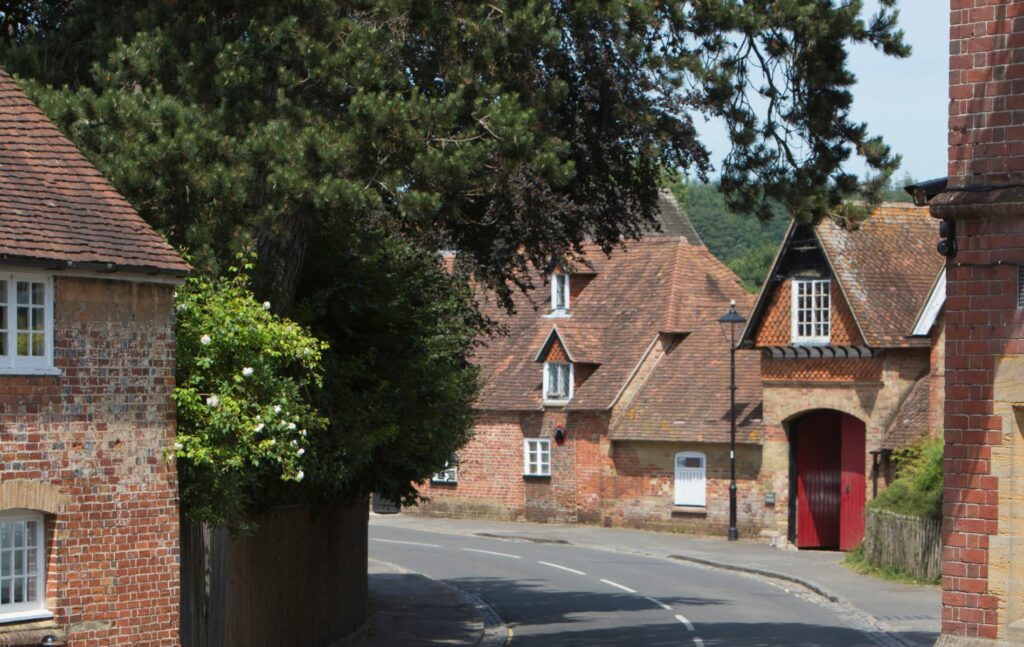
In the western heart of the Forest, Burley offers a quintessentially rural lifestyle. Thatched cottages and forest ponies line the village lanes, while larger homes with land or stabling lie hidden among the trees.
The surrounding countryside lends itself to equestrian living, and the village’s proximity to Ringwood provides practical convenience. Burley’s mix of authenticity and privacy makes it particularly attractive to those seeking an established community within easy reach of the wider region.
Sway
Just north-west of Lymington, Sway offers understated charm with practical accessibility. Its own rail link to London provides convenience for regular commuters, while the surrounding countryside is home to contemporary houses and traditional properties on generous plots.
Sway’s blend of space, tranquillity, and proximity to both coast and forest appeals to buyers looking for year-round comfort and flexibility.
Smaller settlements
Beyond the better-known centres lie hamlets and secluded properties reached only by unmade tracks. These hidden corners of the Forest offer remarkable privacy and immersion in nature.
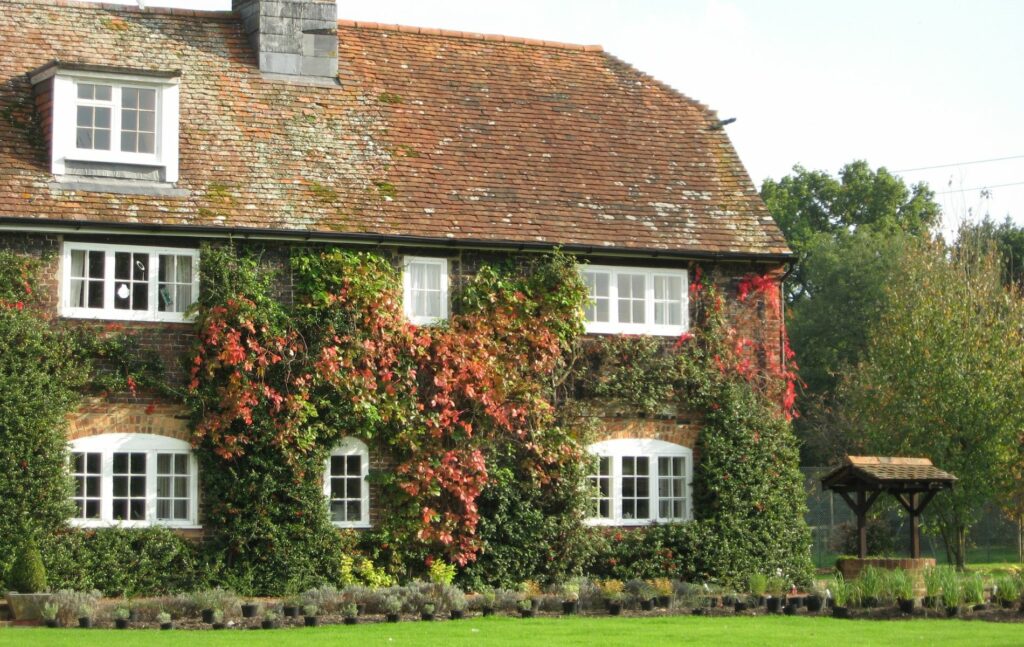
Many of the most characterful homes are found here, from converted smallholdings to traditional forest cottages surrounded by ancient oaks and heathland.
Best-kept secrets of the New Forest
Pannage is one of the Forest’s oldest and most distinctive traditions. Each autumn, hundreds of pigs are released to forage on acorns and beech mast, preventing these from harming the ponies and cattle.
The practice, dating back to Norman times, is still governed by the Verderers of the New Forest, a reminder of the area’s unique commoning system that shapes both its ecology and way of life.
The Forest is equally known for its pubs and inns. The Royal Oak at Fritham, with its log fires and unpretentious charm, is a local favourite and was once a reputed haunt of smugglers.
Many others tucked into lanes or overlooking open heath continue the tradition of hospitality that defines the area.
Buying a home in the New Forest
Buying within the New Forest is unlike purchasing elsewhere. Properties fall under the planning controls of the New Forest National Park Authority, which places careful limits on development and extensions to preserve the landscape’s character.
For buyers relocating from outside the region, understanding these restrictions and the nuances of commoners’ rights can be invaluable, and we’d always recommend obtaining professional advice before making an offer.
Some desirable homes border the open Forest and are less frequently offered on the open market. Having a specialist with local insight can make the difference between hearing about a property too late and securing a home that may never have been publicly listed.
At Garrington, we have helped numerous clients find and acquire homes across the New Forest, from coastal hideaways to historic forest cottages.
Our experience navigating local planning considerations, off-market opportunities, and community nuances helps clients make well-informed decisions with confidence.
Talk to Garrington about your search for a property in the New Forest, without obligation, and learn more about our services.